Prophetess of Health
Chapter 3: The Health Reformers
By Ronald L. Numbers
"The Water-Cure revolution is a great revolution. It touches more interests than any revolution since the days of Jesus Christ."
James C. Jackson1
For all its apparent vitality, America in the early nineteenth century was a sick and dirty nation. Public sanitation was grossly inadequate, and personal hygiene, virtually nonexistent. The great majority of Americans seldom, if ever, bathed. Their eating habits, including the consumption of gargantuan amounts of meat, were enough to keep most stomachs continually upset. Fruits and green and leafy vegetables seldom appeared on the table, and the food that did appear was often saturated with butter or lard. A "common" breakfast consisted of "Hot bread, made with lard and strong alkalies, and soaked with butter; hot griddle cakes, covered with butter and syrup; meats fried in fat or baked in it; potatoes dripping with grease; ham and eggs fried in grease into a leathery indigestibility — all washed down with many cups of strong Brazil coffee." It is no wonder that one writer called dyspepsia "the great endemic of the northern states."2
When sickness inevitably came, the bleedings and purgings of regular physicians or the self-dosed patent medicines only compounded the misery. Few specific remedies were known, and many drugs in common use did more harm than good. As late as 1860 the distinguished Dr. Oliver Wendell Holmes wrote that "if the whole materia medica, as now used, could be sunk to the bottom of the sea, it would be all the better for mankind, and all the worse for the fishes."3
This unhappy state of affairs gave rise to a growing body of literature on preventive measures aimed at preserving life and health. Some of the most influential early writings were imported from abroad, especially from Scotland: George Cheyne's The Natural Method of Cureing the Diseases of the Body (1742), George Combe's The Constitution of Man (1828), and his brother Andrew's The Principle of Physiology Applied to the Preservation of Health (1834). Inspired in part by these works, American authors joined their foreign colleagues in crying out against the popular dietary and therapeutic abuses. Health journals appeared in Boston and Philadelphia, and books with titles like Dyspepsy Forestalled & Resisted (by Professor Edward Hitchcock of Amherst) rolled from the presses. Through all these publications ran a common theme: the importance of a proper (often meatless) diet, plenty of sunshine and fresh air, regular exercise, adequate rest, temperance, cleanliness, and sensible dress.4
Sylvester Graham
These first sporadic attempts at reeducating the American public gave way in the 1830s to a full-blown health crusade led by the egotistical and controversial Sylvester Graham. Like many a health reformer, Graham had suffered through years of repeated illnesses, including a severe nervous collapse at age twenty-nine. By his early thirties he had recovered sufficiently to enter the Presbyterian ministry in New Jersey, where he acquired a reputation as a powerful and successful evangelist, especially when speaking on his favorite subject of temperance. In the summer of 1830 the Pennsylvania Society for Discouraging the Use of Ardent Spirits invited Graham to move to Philadelphia and lecture under its auspices. He accepted and soon was packing large crowds into area churches to hear his scientific and moral arguments against the use of alcohol. Also preaching in Philadelphia was the Reverend William Metcalfe, author of the first American tract on vegetarianism, who had brought his English congregation to this country in 1817 and set up the vegetarian Bible Christian Church. Perhaps influenced by Metcalfe, Graham now began adding the blessings of a meatless diet to his material on temperance. By the late spring of 1831 he had broken with the Pennsylvania Society and was lecturing independently at the Franklin Institute on "the Science of Human Life," a broad spectrum of topics ranging from proper diet to control of the natural passions. His fame spread, and when "an urgent invitation" came from New York, he removed to that city and remained to lecture for an entire year.5
The cholera epidemic of 1832 vaulted Graham and his program of health reform into the national spotlight. Several months before the disease reached the shores of North America, he revealed to a New York audience, estimated at two thousand, an almost sure way to ward off an attack: by abstaining "from flesh-meat and flesh soups, and from all alcoholic and narcotic liquors and substances, and from every kind of purely stimulating substances, and [by observing] a correct general regimen in regard to sleeping, bathing, clothing, exercise, the indulgence of the natural passions, appetites, etc." When the dreaded disease finally did strike in June, he repeated his lecture on cholera to crowds of anxious listeners who had not heard him previously. After the epidemic had subsided, he happily reported "that of all who followed my prescribed regimen uniformly and consistently, not one fell a victim to that fearful disease, and very few had the slightest symptoms of an attack."6
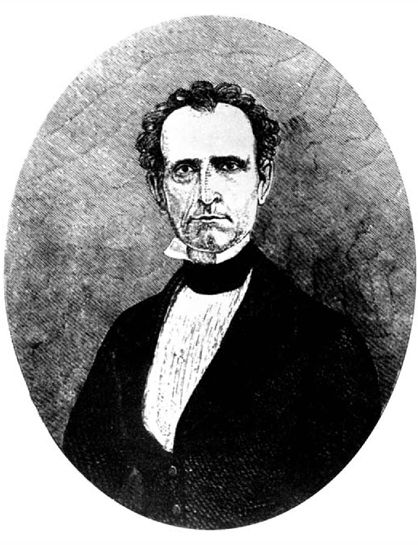
During the 1830s Graham visited most of the major Eastern cities and won a widespread following among those Americans who had lost faith in the more traditional methods of preserving health. In 1839 he wrote out his oft-repeated Lectures on the Science of Human Life, published in Boston in two volumes. By far the most distinctive of his ideas related to diet. Borrowing liberally from the French pathologist François J. V. Broussais, whose Treatise on Physiology he had read in his leisure hours as a pastor, he theorized that irritation of the gastrointestinal tract, particularly the stomach, was responsible for most of man's ailments. Since the nervous system linked all the organs of the body together in "a common web of sympathy," anything that adversely affected the stomach also affected the rest of the body. Following what was too often the custom of his day, Graham insisted on his own originality and refused to acknowledge his indebtedness to Broussais or any other writer.7
The best way to stay healthy, advised Graham in his Lectures, was to avoid all stimulating and unnatural foods and to subsist "entirely on the products of the vegetable kingdom and pure water" — "the only drink that man can ever use in perfect accordance with the vital properties and laws of his nature." An ideal food, and one that came to be associated with Graham's name, was bread made from unbolted wheat flour and allowed to sit for twenty-four hours. Because of the "intimate relation between the quality of the bread and the moral character of a family," loaves from the hands of "a devoted wife and mother" were preferable to those sold in public bakeries, which were generally unfit for human consumption. Naturally, bakers did not take too kindly to this suggestion, and on one occasion, while he was lecturing in Boston, they stirred up such an unruly mob outside the hall that the Grahamites within had to disperse the protesters by dumping slaked lime out the windows on their heads.8
Graham regarded most dairy products as little better than meat. Butter was especially objectionable. In support of his position, he cited the recent experiments of the army surgeon William Beaumont on the unfortunate Alexis St. Martin, whose stomach had been accidentally opened for scientific observation by a shotgun blast. When butter had been introduced into Martin's stomach, it had simply floated "upon the top of the chymous mass" until most of the digesting food had passed on to the small intestine. If butter were to be used at all, said Graham, it should be "very sparingly, and never in the melted form." In its place he recommended using a moderate amount of sweet cream, which was soluble in water and thus "very far less objectionable than butter as an article of diet." Fresh milk and eggs were frowned upon but not proscribed, although the latter, being "somewhat more highly animalized than milk," were consequently more "exciting to the system." Cheese was permitted only if mild and unaged.9
To avoid overworking the digestive system, meals were to be taken no more frequently than every six hours and never before retiring. If this schedule could not be met, then the third meal was to be eliminated. No irritating substances were ever to appear on the table. This ban covered not only condiments and spices like pepper, mustard, cinnamon, and cloves — "all highly exciting and exhausting" — but even common salt, which was "utterly indigestible." Tea and coffee, like alcohol and tobacco, stunted growth and poisoned the system. And most pastries, with the possible exceptions of some custards and fruit and berry pies, were "among the most pernicious articles of human aliment" and incomparably more harmful than simply prepared meats.10
In his Lectures Graham ranged far beyond the subject of diet to comment on just about every area of human activity, emphasizing the importance of rest, exercise, cleanliness, dress — and of never resorting to medicines. Regular hours were to be set aside for sleeping, preferably before midnight and always in a well-ventilated room. Frequent physical exercise was absolutely necessary for a healthy circulation of the blood; thus dancing, "when properly regulated," was of great medicinal value. Growing children particularly needed to exercise their bodies, and for that reason Graham opposed confining them to schoolbooks at an early age, recommending instead that they be allowed to romp outdoors like calves and colts. A sponge bath every morning upon rising was highly desirable, but better still was the "exceedingly great luxury" of standing in a tub and pouring a tumbler of water over the body. Clothing was to be both morally and physiologically unobjectionable, with no restrictive corsets, stays, or garters of any kind. Shaving the beard, Graham warned his male readers, was to be practiced only at the risk of lessening one's manly powers and shortening the life span. If, after following this regimen, a person did succumb to illness, the cardinal rule to remember was that "ALL MEDICINE, AS SUCH, IS ITSELF AN EVIL." The safest policy when sick was simply to let nature take its own beneficent course.11
The public outcry against Graham's strange reforms was more than matched by its outrage at his views on sex. In fact, one of his fellow reformers was convinced that "while the public odium was ostensibly directed against his anti-fine flour and anti-flesh eating doctrines, it was his anti-sexual indulgence doctrines, in reality, which excited the public hatred and rendered his name a by-word and a reproach." According to one (possibly apocryphal) story, the shock of seeing mixed bathing at the ocean one day first aroused his interest in sexual abuses and prompted him to sit down and write A Lecture to Young Men on Chastity, published in 1834. As Stephen Nissenbaum has pointed out, this work broke with the older moralistic literature on the subject in two ways: It was based largely on scientific rather than biblical arguments, and it focused not on the sins of adultery and fornication but on the previously neglected problems of masturbation and marital excess, which Graham defined for most people as intercourse more than once a month. In his mind, diet and sex were intimately related since stimulating foods inevitably aroused the sexual passions. Thus one of the best means of controlling these unwholesome urges was to adopt a meatless diet and forsake condiments, spices, alcohol, tea, and coffee.12
Despite the animosity of butchers, bakers, and corset-makers, "Bran-Bread Graham" — as one Boston paper named him — won numerous converts throughout the nation, including members of the educated and upper classes. In 1837 he began publishing a monthly called the Graham Journal of Health and Longevity, edited by a Boston disciple, David Cambell (or Campbell), who later engaged William Miller in a protracted debate on the interpretation of Bible prophecies. To meet the dietary needs of his growing following, he encouraged the opening of temperance boarding houses in the larger cities of the East and personally wrote a set of strict rules and regulations governing such establishments. All boarders were expected to sleep on hard beds, rise promptly at four o'clock in the morning — five during the winter months — and retire by ten each evening. Before breakfasting on ripe fruit and whole wheat or corn mush, they were to exercise for at least a half hour and attend morning prayers. Meat was permitted at dinner, but strongly discouraged. Suppers were light and simple. Pure soft water was "earnestly recommended as the exclusive drink of a Graham Boarding House," and those caught drinking alcoholic beverages, tea, coffee, or hot chocolate were thrown out. Baths were required at least once a week, three times a week in the summer. These boarding houses became a favorite haunt of many reformers, especially abolitionists. One out-of-town visitor reported that the guests in New York City were "not only Grahamites, but Garrisonites — not only reformers in diet, but radicalists in Politics." Horace Greeley resided for some time at the New York house and married one of the women boarders.13
While the abolitionists flocked to the Graham boarding houses, other reformers tried to adapt the Graham system to different institutions. The revivalist Charles G. Finney and his fellow pioneers at Oberlin turned that college into a Grahamite stronghold in the 1830s, allowing the students "only plain & wholesome food" with little variety. But their experiment ended in the spring of 1841 after dissidents held a mass meeting protesting the all-vegetable fare in the dining hall. Bronson Alcott founded his utopian colony of Fruitlands on Grahamite principles, leaving his little daughter Louisa May with memories of rising at five in the morning, showering in cold water, and subsisting on Graham bread and fruit. At nearby Brook Farm there was always a popular "Graham table" for vegetarians. And many Shaker communities, whose "Millennial Laws" prohibited such health-destroying habits as taking fruit after supper and eating freshly baked bread, embraced the Graham way of life.14
William A. Alcott
In 1836, while lecturing in Boston, Graham met William A. Alcott, cousin of Bronson and a prominent health reformer in his own right. In contrast to the impetuous, largely self-educated Graham who reveled in the limelight, Alcott was a thoughtful Yale-trained physician who enjoyed teaching school most of all. A constant sufferer from pulmonary disorders, he decided in 1830 to try to regain his health by giving up all drinks but water and all animal foods except milk. When his health improved, he turned to writing manuals for the benefit of his fellow citizens and soon became one of the most widely read authors of his day. Over the years he produced no fewer than eighty-five volumes on a multitude of subjects, including most of the reforms advocated by Graham. Perhaps his most popular work was his Young Man's Guide, which passed through twenty-one editions between its appearance in 1833 and 1858. In 1835 he began editing the Moral Reformer, a journal dedicated to wiping out the evils of intemperance, gluttony, and licentiousness.15
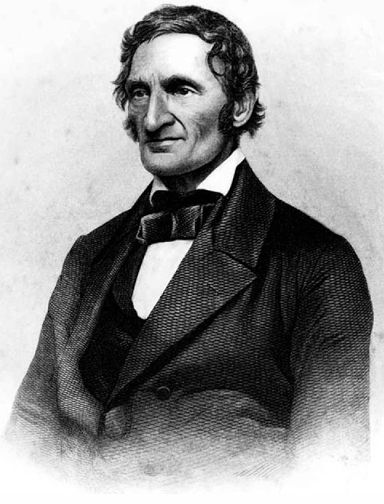
Alcott shared with Graham an extreme reluctance to acknowledge any intellectual debts — especially to the flamboyant crusader for bran bread whom he at first found offensive. "Now let it be distinctly understood, once and for all," he wrote in 1837, "that... we have nothing to do, either directly or indirectly, with Mr. G. or his doctrines. Nay more... we adopted nearly all our present views as independently of Mr. G. as if he had never written on the subject." That same year, however, Alcott buried his misgivings and joined with Graham in forming the first of many health reform associations, the American Physiological Society, which aimed to promote all reforms involving "Air, Temperature, Clothing, Exercise, Sleep, Dress, Diet, and Drink." Alcott was elected president, Graham's associate David Cambell, corresponding secretary. The health reform movement now had a united front.16
Women, who joined the movement in large numbers, accounted for almost one-fourth of the American Physiological Society's membership. They were among the most effective evangelists for health reform, organizing societies from Maine to Ohio and lecturing widely on the gospel of health. As Regina Markell Morantz has recently shown, health reform held special significance for the American woman:
In a society in which women were expected to play an increasingly complex role in the nurture of children and the organization of family life, health reform brought to the bewildered housewife not just sympathy and compassion, but a structured regimen, a way of life. In an era characterized by weakening ties between relatives and neighbors, health reform lectures, journals, and domestic tracts provided once again the friendly advice and companionship of the now remote kinswoman. Women were promised a way to end their isolation and make contact with others of their sex. At lectures, study groups and even through letters to the various journals, they shared their common experiences with other women. A deep sense of sisterhood was evidenced by the frequent use of the term. No longer must woman bear her burden alone.17
Allied with the women health reformers in the work of educating the American public were many men. Of particular importance for our story are three whose writings later had a noticeable influence on the thinking of Ellen White: Horace Mann, Dio Lewis, and Larkin B. Coles. Mann, best remembered as the champion of public schools during his tenure as secretary to the Massachusetts State Board of Education, was an eloquent spokesman for the causes of temperance and personal hygiene. Apparently inspired by William Alcott, he urged the state board in his annual report for 1842 to require the teaching of "physiology" in all common schools. By this term he meant the laws of health relating to fresh air, pure water, and proper diet. His campaign culminated in 1850 in the passage of an act by the Massachusetts General Court requiring that the principles of physiology and hygiene be taught in all public schools by properly certified teachers.18
Dio Lewis
Dio (Dioclesian) Lewis, a younger contemporary of Mann's, was an active temperance, health, and educational reformer, whose greatest contributions lay in the areas of physical education and gymnastics. In 1845 he enrolled in the medical department of Harvard College, only to be forced out by financial difficulties before receiving his diploma. Not one to let such a minor setback deter him, he returned to his home in New York City and went into partnership with his family doctor, a homeopath. (In 1851 the Homeopathic Hospital College in Cleveland, Ohio, awarded him an honorary M.D. degree.) He first caught the nation's eye in the 1850s as a highly successful temperance lecturer, who on one foray into Michigan managed to close down all but one of the forty-nine drinking places in the town of Battle Creek. In his lectures and writings he espoused most of the same reforms as Graham and Alcott, regarding it "an honor and privilege" to range himself with such conscientious and abused men. However, on two relatively minor issues he broke with many of the older reformers and took positions also advocated by Ellen White: He recommended the use of salt in moderation and came out strongly in favor of only two meals a day.19
Larkin Coles
Larkin B. Coles, although never as prominent a reformer as Mann or Lewis, is of special interest because of his background as a Millerite preacher-physician. A native of New Hampshire, he graduated from Castleton Medical College in 1825 during that institution's heyday as New England's most popular medical school. He is reputed also to have been trained as a minister.20 As early as 1836 he seems to have been associated with William Miller, and at the height of the Millerite movement he was actively distributing Miller's books and writing theological articles for the Signs of the Times. Shortly after the Great Disappointment of 1844 he settled in Boston and joined both the Boston Medical Association and the Massachusetts Medical Society as an orthodox physician in good and regular standing. His two great loves seem to have been preaching and traveling. For years he occupied a pulpit every Sabbath and traveled extensively up and down the Ohio and Mississippi valleys, once going as far from home as Galveston, Texas. He died in January, 1856, while visiting Louisville, Kentucky.21
Coles's claim to a place among the health reformers rests on two books: Philosophy of Health: Natural Principles of Health and Cure and The Beauties and Deformities of Tobacco-Using. The former volume was remarkably successful, selling thirty-five thousand copies during its first five years and another nine thousand before Coles's death. When the twenty-sixth edition appeared in 1851, one medical journal joked that it seemed "as though the friends of reform not only read, but eat the books."22 Taking as his theme the proposition that "it is as truly a sin against Heaven, to violate a law of life, as to break one of the ten commandments," he went on to develop the now-traditional arguments of the health reformers for fresh air and exercise, a vegetarian diet, the nonuse of stimulants, reform in dress, sexual purity, and drugless medicine. On this last point — drugless medicine — he failed to go far enough to suit some of the more radical reformers who wanted him to come out against medicine of any kind.23 But his generally moderate stance won him the respect of his peers in the medical community. "Dr. Coles hails from the ranks of the vegetable eaters," noted the Boston Medical and Surgical Journal, "but if he really abominates beef-steaks and butter, he is modest and unobtrusive with regard to his opinion, which should be regarded as a virtue in this age of radicalism."24
The Beauties and Deformities of Tobacco-Using elicited praise from reformers and nonreformers alike. The Water-Cure Journal called it "the best looking work on the subject," while the orthodox Boston Medical and Surgical Journal highly recommended it as a devastating attack on "the vile weed." In Coles's opinion as a physician and minister, tobacco was doing far more damage than alcohol to the health and welfare of Americans, whose per capita consumption of the stuff was eight times higher than the French and three times more than the English. Epileptic fits, weak eyesight, and insanity were just a few of its many frightening physical effects. Morally it was no less insiduous, for it formed an unholy "triplet union" with rum and profanity. "RARELY CAN A PROFANE OATH BE FOUND ISSUING FROM A CLEAN MOUTH AND A PURE BREATH," he observed. Obviously the only safe course was never to take up this body- and soul-destroying habit.25
Coles's moralistic view of health reform, as seen in his elevation of hygienic laws to equality with the Ten Commandments, was not unique among health reformers. William Alcott, for example, also emphasized the moral obligation to preserve health. Yet the theological assumptions and expectations of the two men differed significantly. While Alcott and other Christian perfectionists looked forward to the virtual eradication of disease in a millennium of perfect health, the millenarian Coles — and later Ellen White — saw obedience to the laws of health primarily as a requirement for entry into heaven and only secondarily as a means of living a more enjoyable life on earth. The rewards in either case, however, provided ample motivation to live more hygienically.26
By the mid-1840s the health reformers had developed a comprehensive system for maintaining good health; what they lacked was an effective means of restoring health once it was lost. Several reformers had attended regular medical schools, but the heroic therapy they had learned — bleeding, blistering, and purging — no longer seemed worthy of confidence. The Adventist printer L. V. Masten, whose cholera had not responded to blood-letting and calomel, was expressing a popular opinion when he called such treatment "sure death!" Most health reformers agreed with him on the risks of regular medicine and thus chose one of the safer sectarian systems: Thomsonianism, homeopathy, or hydropathy.27
Samuel Thomson
Samuel Thomson, the New Hampshire farmer who founded the Thomsonian medical sect, substituted "natural" botanic remedies for the bleeding and mineral drugs of regular physicians. Early in his healing career he became convinced that the cause of all disease was cold and that the only cure was the restoration of the body's normal heat. This he accomplished by steaming, peppering, and puking his patients, with heavy reliance on lobelia, an emetic long used by Native Americans.28
Not one to ignore the commercial possibilities of his discovery, Thomson in 1806 began selling "Family Rights" to his practice, patented in 1813. For twenty dollars purchasers enrolled in the Friendly Botanic Society and received a sixteen-page instruction booklet, Family Botanic Medicine, later expanded into a more substantial New Guide to Health. The section on preparing medicines contained various botanical recipes, but with key ingredients left out. Agents filled in the blanks only after buyers pledged themselves to secrecy "under the penalty of forfeiting their word and honour, and all right to the use of the medicine."29
During the 1820s and 1830s Thomsonian agents fanned out from New England through the southern and western United States urging self-reliant Americans to become their own physicians. Almost everywhere they met with success. By 1840 approximately one hundred thousand Family Rights had been sold, and Thomson estimated that about three million persons had adopted his system. In states as diverse as Ohio and Mississippi, perhaps as many as one-half of the citizens were curing themselves the Thomsonian way. And as Daniel Drake observed, the devotees of Thomsonianism were not "limited to the vulgar. Respectable and intelligent mechaniks, legislative and judicial officers, both state and federal barristers, ladies, ministers of the gospel, and even some of the medical profession 'who hold the eel of science by the tail' have become its converts and puffers."30
By the 1840s internal squabbles were fragmenting the Thomsonians; and as botanic strength began to wane, a new sect, homeopathy, rose to national prominence. Homeopathy was the invention of a regularly educated German physician, Samuel Hahnemann, who had grown dissatisfied with the heroics of orthodox practice. During the last decade of the eighteenth century he began constructing an alternate system based in large part upon the healing power of nature and two fundamental principles: the law of similars and the law of infinitesimals. According to the first law, diseases are cured by medicines having the property of producing in healthy persons symptoms similar to those of the disease. An individual suffering from fever, for example, would be treated with a drug known to increase the pulse rate of a person in health. Hahnemann's second law held that medicines are more efficacious the smaller the dose, even as small as dilutions of one-millionth of a gram. Though regular practitioners — or allopaths, as Hahnemann called them — ridiculed this theory, many patients flourished under homeopathic treatment, and they seldom suffered.31
Following its appearance in this country in 1825, homeopathy rapidly grew into a major medical sect. By the outbreak of the Civil War there were nearly twenty-five hundred homeopathic physicians, concentrated largely in New England, New York, Pennsylvania, and the Midwest, and hundreds of thousands of devoted followers. Homeopathy's appeal is not difficult to understand. Instead of the bleedings and purgings of the regulars, or the equally rigorous therapy of the Thomsonians, the homeopaths offered pleasant-tasting pills that produced no discomforting side effects. Such medication was particularly suitable for babies and small children. As the orthodox Dr. Holmes observed, homeopathy "does not offend the palate, and so spares the nursery those scenes of single combat in which infants were wont to yield at length to the pressure of the spoon and the imminence of asphyxia." Perhaps because of its suitability for children, homeopathy won the support of large numbers of American women, who constituted approximately two-thirds of its patrons and who were among its most active propagators.32
Both Thomsonianism and homeopathy attracted some health reformers. For example, Alva Curtis of Cincinnati combined Thomsonianism with Grahamism, and Elisha Bartlett observed that a "non-resistant, transcendentalist, and Grahamite, makes the most devoted disciple, and the stanchest [sic] advocate of homeopathy."33 But by and large the health reformers distrusted all medicines, in large or small doses, botanical or mineral. Thus the majority of them opted for the one system of therapeutics that offered healing without drugs: hydropathy.
Hydropathy was a mélange of water treatments devised by a Silesian peasant, Vincent Priessnitz, to heal his wounds after accidentally being run over by a wagon. His therapy proved to be so successful, he opened his home in Graefenberg as a "water cure" and invited his ailing neighbors to submit their bodies to a bewildering variety of baths, packs, and wet bandages. When news of his methods reached the United States in the mid-1840s, it touched off a "great American water-cure craze" that continued unabated until the outbreak of the Civil War. Part of the popularity of hydropathy undoubtedly stemmed from the inadequacies of nineteenth-century medicine, but equally significant was the fact that it harmonized perfectly with the Jacksonian spirit of the times. "The water treatment of disease may fairly be said to originate with an un-titled man," wrote one devotee. "This is the people's reform. It does not belong to M.D.'s of any school." The three persons most responsible for introducing Americans to hydropathic techniques — Joel Shew, Russell T. Trall, and Mary Gove — all had previous histories as reformers and succeeded, as Richard H. Shyrock pointed out, in superimposing "Grahamism upon hydropathy, and later, in the most catholic spirit imaginable, in [adding] every other hygienic procedure available."34
Russell T. Trall
The first American water cures appeared in New York City about 1844 under the proprietorship of Drs. Shew and Trall, both graduates of regular medical schools. When Trall's first patients, "a set of desperate cases from Broadway Hospital," all recovered, the success of hydropathy was guaranteed. Within three or four years twenty-odd water cures were operating in nine states, largely concentrated in New York, Pennsylvania, and New Jersey, and numbering among their patrons such luminaries as Horace Greeley, Henry Wadsworth Longfellow, and James Fenimore Cooper. At first, Shew, who made two early pilgrimages to Graefenberg, simply duplicated Priessnitz's methods, but Trall soon went beyond the simple water treatments of the Austrian peasant to develop a fairly sophisticated system of "hygienic medication," embracing not only hydropathy but surgery and health reform as well. In December, 1845, Shew began publishing a Water-Cure Journal aimed broadly at providing the general reader with up-to-date information on "BATHING AND CLEANLINESS... CLOTHING ... AIR AND VENTILATION ... FOOD AND DRINKS .. TOBACCO ... TEA AND COFFEE. THE WATER-CURE..." and all other worthy reforms. Later, Trall took over the editorship and instituted such practical features as a matrimonial section where love-starved Grahamites and hydropaths could advertise for like-minded spouses.35
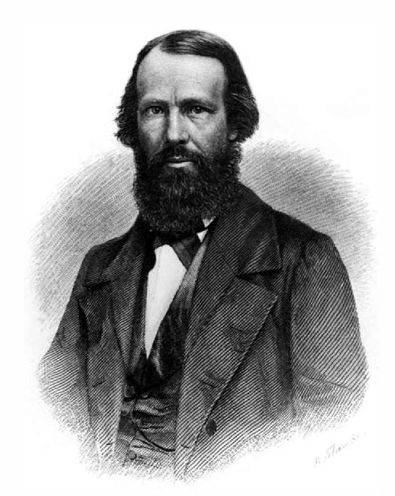
In the spring of 1846 Mary Gove arrived in New York City and opened a third water cure in competition with Shew's and Trall's. A long-time Grahamite and women's lecturer, Mrs. Gove had spent most of the previous year observing other water cures in operation before setting up her own. Through her lectures and writings she did much to popularize hydropathy in its early days. In 1851 she and her second husband, Thomas Low Nichols (M.D., New York University), decided the time was ripe to launch a water-cure school to meet the ever-increasing demand for trained hydropaths. That fall the American Hydropathic Institute admitted its first class of twenty-six students, and three months later graduated twenty of them — eleven men, nine women. After three fairly prosperous terms the Nicholses suddenly lost interest in their educational venture and drifted off in the direction of free love and spiritualism, much to the dismay of their former colleagues. With the Nicholses gone, Trall wasted no time in opening his own hydropathic school in New York. His institution, christened the New York Hygeio-Therapeutic College after receiving a state charter in 1857, quickly became the water-cure center of the United States, while Trall himself, following the death of Shew in 1855 and the defection of the Nicholses, won recognition as dean of American health reformers.36
Phrenology
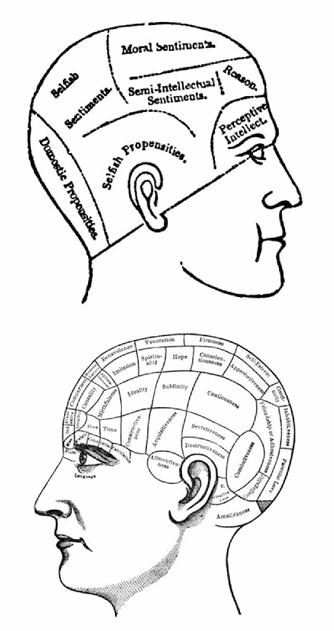
Listed among the original faculty of Trall's college was Lorenzo N. Fowler, lecturer on phrenology and mental science, whose presence symbolized the close union that had been forming between health reformers and phrenologists. Phrenology was the "science" of the human mind developed by two German physicians, Franz Joseph Gall and his student Johann Gaspar Spurzheim, and brought to the United States in the 1830s by Spurzheim and a Scottish convert, George Combe. According to phrenological theory, the human brain was made up of a number of different "organs" — some counted thirty-seven — each corresponding to an exotically named mental "faculty" like amativeness, acquisitiveness, or philoprogenitiveness. The organs governing man's "animal" or "domestic" propensities were located in the back and lower part of the head, while the organs of intellect and reason occupied the frontal region. Since the relative strength of any propensity could be determined by measuring the size of its matching organ, it was not difficult for the initiated to "read" a person's character by carefully examining the skull.37
Mistakes, however, did occur. The following incident supposedly took place when William Miller accompanied a friend to see a Boston phrenologist in March, 1842. The phrenologist, who had no idea he was examining the famous preacher's head, commenced by saying that the person under examination had a large, well-developed, and well-balanced head. While examining the moral and intellectual organs, he said to Mr. Miller's friend:
"I tell you what it is, Mr. Miller could not easily make a convert of this man to his hair-brained theory. He has too much good sense."
Thus he proceeded, making comparisons between the head he was examining and the head of Mr. Miller, as he fancied it would be.
"Oh, how I should like to examine Mr. Miller's head!" said he; "I would give it one squeezing."
The phrenologist, knowing that the gentleman was a particular friend of Mr. Miller, spared no pains in going out of the way to make remarks upon him. Putting his hand on the organ of marvellousness, he said: "There! I'll bet you anything that old Miller has got a bump on his head there as big as my fist"; at the same time doubling up his fist as an illustration.
The others present laughed at the perfection of the joke, and he heartily joined them, supposing they were laughing at his witticisms on Mr. Miller. . . .
He pronounced the head of the gentleman under examination the reverse, in every particular, of what he declared Mr. Miller's must be. When through, he made out his chart, and politely asked Mr. Miller his name.
Mr. Miller said it was of no consequence about putting his name upon the chart; but the phrenologist insisted.
"Very well," said Mr. M.; "you may call it Miller, if you choose."
"Miller, Miller," said he; "what is your first name?"
"They call me William Miller."
"What! the gentleman who is lecturing on the prophecies?"
"Yes, sir, the same."
At this the phrenologist settled back in his chair, the personation of astonishment and dismay, and spoke not a word while the company remained. His feelings may be more easily imagined than described.38
The amazing popularity of phrenology during the 1840s and 1850s was in large measure the work of its two American high priests, Orson Squire Fowler and his brother Lorenzo. From their headquarters at Clinton Hall in New York City the Fowler brothers created a phrenological empire that reached into every segment of American society. Each month twenty thousand families pored over their American Phrenological Journal, one of the nation's most successful magazines, while thousands of others went out and purchased the multitude of guides and manuals the Fowlers annually published on all aspects of mental and physical health. As part of their effort to improve the human race, they rapidly branched out from phrenology to embrace the whole gamut of health reforms then in vogue: hydropathy, Grahamism, temperance, chastity, and even the Bloomer costume, named after a friend of Lorenzo's wife, Lydia.39
Through the years a close relationship developed between the leading phrenologists and health reformers. Shew and Trall became familiar figures at Clinton Hall and issued many of their books through the publishing house of Fowlers and Wells. Graham and Alcott also visited the Fowlers' phrenological palace, as did Horace Mann, who cheerfully submitted to a head reading. When the Water-Cure Journal almost folded in the spring of 1848, the Fowlers stepped in and promptly raised its circulation twenty-fold. In May, 1850, Clinton Hall was the setting for the organizational meeting of the American Vegetarian Society, which brought together many of the biggest names in health reform. Among the officers elected were William Alcott, president; Sylvester Graham and Joel Shew, vice-presidents; R. T. Trall, recording secretary; William Metcalfe, corresponding secretary; and Samuel R. Wells, brother-in-law and associate of the Fowlers, treasurer. Indeed, by the 1850s, as Sidney Ditzion has observed, "the vegetarians, phrenologists, water-cure doctors, and anti-tobacco, anti-corset, and temperance people" were so often crossing paths, "they began to look like participants in a single reform movement."40
The outbreak of civil war in 1861 diverted much of the nation's attention from bran bread, baths, and Bloomers to other, more pressing, issues. From time to time die-hards attempted to revive interest in health reform — they actually founded a World's Health Association in Chicago in June, 1862 — but the movement as a whole had already crested. In the postwar years, as spectacular breakthroughs in scientific medicine drew more and more patients back to the regular fold, patronage at the water cures fell off markedly. Many went under, but a few did manage to survive until late in the century. Among the most flourishing was Dr. James Caleb Jackson's "Home on the Hillside" in Dansville, New York.41
Dr. Jackson
James Caleb Jackson was born on March 28, 1811, in the little town of Manlius, New York, near Syracuse. Recurring poor health ended his formal education at age twelve, and his father's untimely death only a few years later left him with the onerous responsibility of managing the family farm. As he went about his daily chores, he dreamed of exchanging his dreary, bucolic life for the excitement of the public arena. Opportunity came in 1834, when he began receiving invitations from nearby towns to lecture on temperance and slavery. As his speaking engagements multiplied, time for farming vanished, and before long he was on the road full time. The rigors of the lecture circuit, however, proved to be too much for his frail constitution and forced him to take less physically demanding jobs editing antislavery papers and serving as secretary to abolitionist societies. Through his antislavery activities, he formed a warm friendship with Gerrit Smith, a New York philanthropist, who readily lent his wealth and prestige to virtually every reform that came along, from abolition and temperance to Sunday schools and Bloomers. Inevitably Smith joined the health reformers; and when Jackson's health failed so completely in 1847 that he "went home to die," Smith encouraged him to go to Dr. Silas O. Gleason's water cure in Cuba (New York) and personally raised the funds to pay his expenses there.42
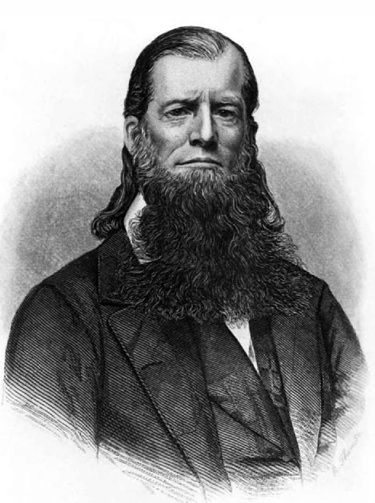
Although Gleason's water treatments were often so harsh Jackson feared for his very life, his health did improve, and his interest in hydropathy grew correspondingly. By the end of his stay in Cuba, he and Gleason had agreed to go into partnership and open another water cure, Glen Haven, at the south end of Skaneateles Lake. Unfortunately, this venture turned out to be something of a disappointment, and after a few years Gleason sold his interest and moved elsewhere with all but two of the patients, leaving Jackson, the business manager, with a practically vacant building and no physician. Prospects for the future looked bleak indeed, but Jackson was not one to throw in his towels without a fight. He temporarily closed down the institution for the winter, enrolled in an eclectic medical college in Syracuse, and returned in three months, diploma in hand, to run the water cure himself.43
One day Dr. Harriet N. Austin, an alumna of Mary Gove Nichols's shortlived hydropathic college who was now practicing in nearby Owasco, called on Jackson for a professional consultation. She made such a favorable impression, he invited her to join the staff of Glen Haven, now doing so thriving a business that the assistance of a second physician was needed. Eventually Jackson adopted the young woman as his daughter, and together they turned Glen Haven into a thoroughly hygienic institution where only vegetarian meals were served and only reform dresses were worn. Women's clothing received their special attention, convinced as they were that current styles were doing irreparable harm to the health of American women. Inspired by the so-called Bloomer costume designed by Gerrit Smith's daughter Elizabeth Smith Miller — they devised their own short dress-and-trousers combination, dubbed the "American costume." To display their handiwork and to promote its adoption elsewhere, they entertained a convention of dress reformers at Glen Haven in February, 1856, which resulted in the founding of a National Dress Reform Association.44
In 1858 a disastrous fire swept through Glen Haven, leaving Jackson and Austin not only without a water cure but also without compensation, since their insurance company had just gone bankrupt. Undaunted, the two hydropaths somehow scraped together sufficient cash to purchase a defunct cure about fifty miles south of Rochester outside the town of Dansville, and on October 1 they proudly opened the doors of "Our Home on the Hillside" for patients. At first the local townspeople seemed less than delighted with their eccentric new neighbors who lived communally and dressed so queerly, and Jackson took precautionary measures to avoid undue hostilities. He later described the situation:
All the women who came with us to enter into our employment wore the American Costume. A style of dress of this kind had never been seen in the town and so I issued an edict, forbidding any of our helpers to go into the village at all, until I gave the word, knowing that this would be the point around which opposition could rally and it would be impossible to keep our women from being stared at and perhaps insulted if they undertook to walk the streets.... At that day, for a woman to wear the American Costume was to so apparel herself as to lead everyone to suppose she was loose in virtue.45
Eventually the novelty wore off, and the health reformers and the citizens of Dansville settled down to a life of peaceful coexistence.
Our Home was not a resort for pleasure seekers. The physical facilities were comfortable, but nothing more. Long, narrow corridors wound through the rambling main building leading to small, uncurtained rooms, heated in winter by wood-burning "box stoves." Each day began promptly at six o'clock with the ritual beating of a Chinese gong and, for the hearty, a cold plunge in sometimes icy water. A half-hour after rising all residents gathered in the large parlor for "Father" Jackson's daily exhortation on the laws of life. Then it was on to the dining hall for a vegetarian breakfast around long, common tables, where seats were assigned by lot each week to ensure a properly democratic mix at mealtime. Jackson's water cure was one of the very few that served only two meals a day — breakfast at eight, dinner at two-thirty. Food, plentiful but plain, consisted principally of a variety of "Graham" dishes, vegetables, and piles of fresh fruit. Meat, butter, white-flour bread, tea and coffee were positively not allowed on the premises. A miscellany of water treatments, simple exercises, and amusements filled the remaining hours of the day. By eight-thirty all kerosene lamps were extinguished, and the weary patients tumbled into their hard beds of sea-grass and cotton mattresses on wooden slats.46
In the early days of Our Home specific treatments were "limited chiefly to half-baths, packs, sitz baths, plunges and dripping sheets." Under no circumstances would Jackson prescribe drugs. "In my entire practice," he once boasted, "I have never given a dose of medicine; not so much as I should have administered had I taken a homeopathic pellet of the seven-millionth dilution, and dissolving it in Lake Superior, given my patients of its waters." His medical faith rested implicitly on ten natural remedies: "First, air; second, food; third, water; fourth, sunlight; fifth, dress; sixth, exercise; seventh, sleep; eighth, rest; ninth, social influence; tenth, mental and moral forces."47
Through the 1850s and the following decades Jackson wrote compulsively on all facets of health reform. "This reformation has gotten my soul by a grip as strong as death," he explained, "and woe is me ifI falter." For years his by-line graced virtually every issue of the Water-Cure Journal, and after moving to Dansville in 1858 he began publishing his own health paper, first called the Letter Box, then Laws of Life. His most popular book, How to Treat the Sick without Medicine, enjoyed widespread use among those who distrusted physicians, while his numerous little pamphlets circulated throughout the country. His favorite subject and professional specialty was sexual disorders. In eleven years he treated over four thousand cases of spermatorrhea alone, and grew so astute at diagnosing sexual abuses, he could spot masturbators merely by the gait of their walk or the flatness of their breasts. For those who could not afford a personal consultation with the doctor, he provided a series of cheap six-cent tracts dealing with various sexual problems, as well as a special fifty-cent "private circular" on "How to Rear Beautiful Children."48
Of all Jackson's writings, probably the most influential in terms of long-range effects was a modest-looking article on diphtheria published January 15, 1863, in a rural New York newspaper, the Yates County Chronicle. At the time of the article's appearance, a severe diphtheria epidemic was raging through much of the United States, and by a twist of fate the paper fell into the hands of an anxious mother who was nursing her two sons through an apparent attack. When the simple water treatments described by the Dansville physician proved successful, the grateful mother at once began sharing her discovery with others and thus embarked upon a lifelong career as a prophetess of health reform. Her name was Ellen G. White.49
Footnotes
- James C. Jackson, "Considerations for Common Folks No. 4," Water-Cure Journal, X (September, 1850), 97.
- Edgar W. Martin, The Standard of Living in 1860 (Chicago: University of Chicago Press, 1942), pp. 45-46, 74-76; Thomas L. Nichols, Forty Years of American Life (London: John Maxwell and Co., 1864), I, 369; "Food," Boston Medical Intelligencer, II (1824), 15, quoted in John B. Blake, "Health Reform," in The Rise of Adventism: Religion and Society in Mid-Nineteenth-Century America, ed. Edwin S. Gaustad (New York: Harper & Row, 1974), p. 46. On bathing and dietary practices in the United States, see Richard Shryock, "Sylvester Graham and the Popular Health Movement, 1830-1870," in his Medicine in America: Historical Essays (Baltimore: Johns Hopkins University Press, 1966), pp. 112-14; and Harold D. Eberlein, "When Society First Took a Bath," Pennsylvania Magazine of History, LXVII (January, 1943), 30-48.
- Oliver Wendell Holmes, Medical Essays, 1842-1882 (Boston, 1891), p. 203, quoted in John B. Blake, "Mary Gove Nichols, Prophetess of Health," American Philosophical Society, Proceedings, CVI (June, 1962), 221.
- Robert Samuel Fletcher, A History of Oberlin College: From Its Foundation through the Civil War (Oberlin: Oberlin College, 1943), I, 316-17. Chapter XXII of this work is entitled "Physiological Reform': The Health Movement." Among the earliest health reform periodicals were the Boston Medical Intelligencer (1823-28), the Journal of Health (Philadelphia, 1829-33), and the Moral Reformer, renamed the Library of Health in 1837 (Boston, 1835-43).
- Mildred V. Naylor, "Sylvester Graham, 1794-1851," Annals of Medical History, 3rd ser., IV (May, 1942), 236-40; Stephen W. Nissenbaum, "Careful Love: Sylvester Graham and the Emergence of Victorian Sexual Theory in America, 1830-1840" (Ph.D. diss., University of Wisconsin, 1968), pp. 35, 87-88, 112, 117-19; William Metcalfe, "Address," Water Cure Journal, XVIII (November, 1854), 105-6.
- Sylvester Graham, Lectures on the Science of Human Life (People's ed.; London: Horsell, Aldine, Chambers, 1849), p. 190; Nissenbaum, "Careful Love," pp. 119-21.
- Nissenbaum, "Careful Love," pp. 121-33; Graham, Lectures, pp. ii-iii; Naylor, "Sylvester Graham," p. 238.
- Graham, Lectures, pp. 226, 232-34, 265-67; Naylor, "Sylvester Graham," p. 239.
- Graham, Lectures, pp. 224-26, 243. See also William Beaumont, Experiments and Observations on the Gastric Juice, and the Physiology of Digestion (Plattsburgh, N.Y.: F. P. Allen, 1833).
- Graham, Lectures, pp. 242, 250-54, 271-75.
- Ibid., pp. 188, 277-86. The reference to children playing outdoors is from Graham, A Lecture to Young Men on Chastity (10th ed.; Boston: Charles H. Pierce, 1848), p. 162.
- William A. Alcott, The Physiology of Marriage (Boston: Dinsmoor and Co., 1866), pp. 116-17; Naylor, "Sylvester Graham," p. 239; Nissenbaum, "Careful Love," pp. 6-9; Graham, Lecture to Young Men on Chastity, pp. 83, 144-48.
- The nickname given by the Boston Traveller is mentioned in [William A. Alcott], "Mr. Graham," Moral Reformer, I (October, 1835), 322; Graham's rules and regulations are found in [Asenath Nicholson], Nature's Own Book (2d ed.; New York: Wilbur & Whipple, 1835), pp. 13-22; the comment on Garrisonites is in a letter from William S. Tyler to Edward Tyler, October 10, 1833 (Hitchcock Memorabilia Collection, Amherst College), quoted in Thomas H. Le Duc, "Grahamites and Garrisonites," New York History, XX (April, 1939), 190. On Greeley, see his Recollections of a Busy Life (New York: J. B. Ford and Co., 1868), pp. 103-4. Campbell's exchange with Miller appeared in the Signs of the Times, I (1840-41), passim.
- Fletcher, History of Oberlin College, pp. 319-30; Clara Endicott Sears (ed.), Bronson Alcott's Fruitlands (Boston: Houghton Mifflin Co., 1915), p. 106; Alice Felt Tyler, Freedom's Ferment: Phases of American Social History from the Colonial Period to the Outbreak of the Civil War (New York: Harper & Row, 1962), p. 174; John Thomas Codman, Brook Farm: Historic and Personal Memoirs (Boston: Arean Publishing Co., 1894), pp. 120-21; Edward Deming Andrews, The People Called Shakers: A Search for the Perfect Society (new enlarged ed.; New York: Dover Publications, 1963), pp. 156, 194-95, 245-46.
- William A. Alcott, Forty Years in the Wilderness of Pills and Powders (Boston: John P. Jewett and Co., 1859), pp. 86, 380-83; [Alcott], "Objections to Animal Food," Moral Reformer, I (September, 1835), 283. On Alcott's life and writings, see James C. Wharton, "'Christian Physiology': William Alcott's Prescription for the Millennium" (unpublished paper read at the 47th Annual Meeting of the American Association for the History of Medicine, Charleston, S.C., May 2, 1974); Carl Bode, The Anatomy of American Popular Culture, 1840-1861 (Berkeley and Los Angeles: University of California Press, 1960), pp. 119-27; E. Douglas Branch, The Sentimental Years, 1836-1860 (New York: Hill and Wang, 1965), p. 221; and Sidney Ditzion, Marriage, Morals and Sex in America: A History of Ideas (New York: Bookman Associates, 1953), pp. 322-23. For a typical exposition of Alcott's views on the importance of fresh air and exercise, proper diet, dress, and cleanliness, see his Laws of Health (Boston: John P. Jewett and Co., 1859).
- William A. Alcott, The Library of Health, and Teacher on the Human Constitution (Boston: George W. Light, 1837), I, 4; [Alcott], "Mr. Graham," Moral Reformer, I (July, 1835), 227; Hebbel E. Hoff and John F. Fulton, "The Centenary of the First American Physiological Society Founded at Boston by William A. Alcott and Sylvester Graham," Institute of the History of Medicine, Bulletin, V (October, 1937), 687-96, 712-14; William B. Walker, "The Health Reform Movement in the United States, 1830-1870" (Ph.D. diss., Johns Hopkins University, 1955), pp. 113, 123.
- Hoff and Fulton, "Centenary of the First American Physiological Society," p. 696; Regina Markell Morantz, "Nineteenth-Century Health Reform and Women: An Ideology of Self-Help" (paper read at a symposium on "Medicine without Doctors," University of Wisconsin-Madison, April 14, 1975), p. 24.
- Horace Mann, "Report for 1842," Life and Works of Horace Mann (Boston: Lee and Shepard, 1891), III, 129-229; Walker, "The Health Reform Movement," pp. 94-98. See also Mann's Two Lectures on Intemperance (Syracuse: Hall, Mills, and Co., 1852).
- Mary F. Eastman, The Biography of Dio Lewis, A.M., M.D. (New York: Fowler & Wells, 1891), pp. 36-37, 67-68; Dio Lewis, Weak Lungs, and How to Make Them Strong (Boston: Ticknor and Fields, 1863), pp. 101, 134; Lewis, Our Digestion; or, My Jolly Friend's Secret (New York: Fowler & Wells, 1872), p. 147. For a recent survey of American views on the importance of exercise, see John Rickards Betts, "American Medical Thought on Exercise as the Road to Health, 1820-1860," Bulletin of the History of Medicine, XLV (March-April, 1971), 138-52.
- Frederick Clayton Waite, The First Medical College in Vermont: Castleton, 1818-1862 (Montpelier: Vermont Historical Society, 1949), p. 204, lists Coles as a graduate of both Castleton and Newton Theological Seminary. However, a check of the records of The Newton Theological Institution by Mr. Ellis E. O'Neal, Jr., librarian of Andover Newton Theological School, turned up no mention of Coles.
- On a letter from Emerson Andrews, July 20, 1836, Miller wrote the name "Doct Coles" (William Miller Papers, Aurora College). Admittedly, this is skimpy evidence for establishing an early relationship between the two men, but it does fit with Barnes Riznik's assertion that Coles experienced a religious change between 1830 and 1835; "Medicine in New England, 1790-1840" (report prepared by the Department of Research, Old Sturbridge Village, Massachusetts, 1962), p. 152-RRR. On a scrap of paper (ca. 1842, Miller Papers) Miller noted having sent Coles thirty-seven copies of one of his books. Typical of Coles's contributions to the Signs of the Times are: "On the 24th of Matthew," V (April 12, 1843), 2; "Proof from Opposers," V (April 12, 1843), 2; and "The Jews-Romans XI," V (May 17, 1843), 6-7. At the time of writing these pieces Coles was living in Lowell, Mass. Earlier, in the late 1820s, he had practiced medicine in Fitzwilliam, N.H.; John F. Norton, The History of Fitzwilliam, New Hampshire, from 1752 to 1887 (New York: Burr Printing House, 1888), p. 429. Coles's name first appeared in the Boston Directory in 1845. On Dec. 17, 1847, he joined the Boston Medical Association; "List of Members, 1806-1910" (The Francis A. Countway Library of Medicine, Harvard University). Eleven days later he was admitted into the Massachusetts Medical Society; "Catalogue of Gentlemen Elected and Admitted into the Society, 1826-50" (Countway Library).
- "Philosophy of Health," Boston Medical and Surgical Journal, XLV (November 26, 1851), 358. For an earlier comment on Coles's manuscript in this same journal, see XXXVII (November 10, 1847), 305.
- Coles, Philosophy of Health, p. 216; cf. p. 8. The criticism of Coles's views on medicine is in "Literary Notices," Water-Cure Journal, XVI (September, 1853), 66-67.
- "Philosophy of Health," Boston Medical and Surgical Journal, XXXVIII (February 2, 1848), 26. When his Philosophy of Health first appeared in 1848, Coles received a congratulatory message from William Alcott; this and other endorsements appear on pp. 119-20 of the 8th edition of Philosophy of Health.
- "Book Notices," Water-Cure Journal, XII (October 1851), 93; "Beauties and Deformities of Tobacco-Using," Boston Medical and Surgical Journal, XLVIII (March 2, 1853), 104-5; Coles, Beauties and Deformities of Tobacco-Using, pp. 7, 58, 64, 88.
- See Coles, Philosophy of Health, pp. 214, 286; and Whorton, "'Christian Physiology.'"
- L. V. Masten, "Experience of Bro. Masten," R&H, III (September 30, 1852), 86. On the low status of the regular medical profession, see Charles E. Rosenberg, The Cholera Years: The United States in 1832, 1849, and 1866 (Chicago: University of Chicago Press, 1962), pp. 154-60. A fourth major medical sect, eclecticism, relied exclusively on botanical remedies; for a recent discussion, see Ronald L. Numbers, "The Making of an Eclectic Physician: Joseph M. McElhinney and the Eclectic Medical Institute of Cincinnati," Bulletin of the History of Medicine, XLVII (March-April, 1973), 155-66.
- Samuel Thomson, New Guide to Health; or, Botanic Family Physician (2nd ed.; Boston: For the author, 1825), Part 1, pp. 42-45. Alex Berman, "The Impact of the Nineteenth-Century Botanico-Medical Movement on American Pharmacy and Medicine" (Ph.D. diss., University of Wisconsin, 1954), remains the most thorough treatment of Thomsonianism; but see also Berman, "The Thomsonian Movement and Its Relation to American Pharmacy and Medicine," Bulletin of the History of Medicine, XXV (September-October, 1951), 405-28, and (November-December, 1951), 519-38; Madge E. Pickard and R. Carlyle Buley, The Midwest Pioneer: His Ills, Cures, & Doctors (New York: Henry Schuman, 1946), chap. 4, pp. 167-98; Joseph F. Kett, The Formation of the American Medical Profession: The Role of Institutions, 1780-1860 (New Haven: Yale University Press, 1968), chap. 4, pp. 97-131; and James Harvey Young, The Toadstool Millionaires: A Social History of Patent Medicines in America before Federal Regulation (Princeton: Princeton University Press, 1961), chap. 4, pp. 44-57.
- Thomson, New Guide to Health, Part 2, p. 4; Samuel Thomson, Family Botanic Medicine (Boston: T. C. Bangs, 1819).
- Berman, "The Impact of the Nineteenth-Century Botanico-Medical Movement," pp. 150-52; Daniel Drake, "The People's Doctors," Western Journal of the Medical and Physical Sciences (1829), p. 407, quoted ibid., pp. 42-43.
- On homeopathy, see Martin Kaufman, Homeopathy in America: The Rise and Fall of a Medical Heresy (Baltimore: Johns Hopkins University Press, 1971); Harris L. Coulter, Divided Legacy: A History of the Schism in Medical Thought (Washington: McGrath Publishing Co., 1973), vol. 3; and Kett, Formation of the American Medical Profession, chap. 5, pp. 132-64.
- Coulter, Divided Legacy, vol. 3, pp. 101-16; Oliver Wendell Holmes, "Some More Recent Views on Homeopathy," Atlantic Monthly (December, 1857), p. 187, quoted ibid., p. 114.
- Blake, "Health Reform," p. 34; Elisha Bartlett, An Essay on the Philosophy of Medical Science (Philadelphia: Lea & Blanchard, 1844), p. 245. For an example of a homeopathic health reformer, see J. H. Pulte, Homoeopathic Domestic Physician (Cincinnati: H. W. Derby & Co., 1850).
- Richard H. Shyrock, "Sylvester Graham and the Popular Health Movement, 1830-1870," in Medicine in America: Historical Essays (Baltimore: Johns Hopkins University Press, 1966), pp. 121-22. The quotation about the "people's reform" is from James C. Jackson, "Considerations for Common Folk No. 3," Water-Cure Journal, X (August, 1850), 67. On hydropathy in America, see Walker, "The Health Reform Movement," pp. 161-288; Harry B. Weiss and Howard R. Kemble, The Great American Water-Cure Craze: A History of Hydropathy in the United States (Trenton, N.J.: Past Times Press, 1967); and Marshall Scott Legan, "Hydropathy in America: A Nineteenth-Century Panacea," Bulletin of the History of Medicine, XLV (May-June, 1971), 267-80. In Catharine Beecher: A Study in American Domesticity (New Haven: Yale University Press, 1973), pp. 205-9, Kathryn Kish Sklar argues that the water cures treated "a predominantly female clientele." Women frequented these places, she says, because they allowed the indulgence of otherwise forbidden desires for physical sensuality" and "provided a supportive female environment and frequently employed women doctors." While it is true that many women patronized water cures, my research suggests that men found them equally attractive. And although roughly one-fifth of professional hydropaths were women (Weiss and Kemble, p. 44) — a large proportion in an age of few women doctors — the chief physicians at water cures were usually men.
- Walker, "The Health Reform Movement," p. 193; Weiss and Kemble, Great American Water-Cure Craze, p. 41; "Russell T. Trall," Herald of Health, IV (July, 1864), 2-5; "Prospectus of the Water-Cure Journal, and Herald of Reforms," Water-Cure Journal, V (May, 1848), 79. Trall defines his system of "hygienic medication" in Pathology of the Reproductive Organs; Embracing All Forms of Sexual Disorders (Boston: B. Leverett Emerson, 1862), pp. vii-ix. For a list of famous patrons, see The Water Cure in America, ed. by a Water Patient (2nd ed.; New York: Wiley and Putnam, 1848), p. vii.
- Blake, "Mary Gove Nichols," pp. 219-34; Walker, "The Health Reform Movement," pp. 216-30; Weiss and Kemble, Great American Water-Cure Craze, pp. 33-38.
- O. S. and L. N. Fowler, Phrenology Proved, Illustrated, and Applied (38th ed.; New York: Fowlers and Wells, 1848), pp. 7-51; John D. Davies, Phrenology, Fad and Science: A 19th-Century American Crusade (New Haven: Yale University Press, 1955), pp. 6-20; Madeleine B. Stern, Heads & Headlines: The Phrenological Fowlers (Norman: University of Oklahoma Press, 1971), p. 161.
- Sylvester Bliss, Memoirs of William Miller (Boston: Joshua V. Himes, 1853), pp. 160-61. Bliss includes Miller's phrenological scores.
- Davies, Phrenology, pp. 60, 106-13.
- Stern, Heads & Headlines, pp. 49-52, 129; T. L. Nichols, "American Vegetarian Convention," Water Cure Journal, X (July, 1850), 5-6; Ditzion, Marriage, Morals, and Sex in America, p. 328. Although Graham was sympathetic to phrenology, he nevertheless had certain doubts about its validity; see his Lectures, pp. ii-iii, 89-94.
- Walker, "The Health Reform Movement," pp. 262-80; R. T. Trall, "Rambling Reminiscences No. 12," Water-Cure Journal, XXXIV (August, 1862), 26.
- William D. Conklin, The Jackson Health Resort (Dansville, N.Y.: Privately distributed by the author, 1971), pp. 105-7, 303; Ralph Volney Harlow, Gerrit Smith: Philanthropist and Reformer (New York: Henry Holt and Co., 1939), pp. 90-96. Information regarding Jackson's early life comes largely from his unpublished autobiographical memoir, now in private hands and quoted extensively in Conklin.
- Conklin, The Jackson Health Resort, pp. 108-9.
- Ibid., pp. 113-14; Walker, "The Health Reform Movement," p. 213; James C. Jackson, How to Treat the Sick without Medicine (Dansville, N.Y.: Austin, Jackson & Co., 1872), pp. 66-67. Harriet Austin also attended the 1854-55 winter session of the Eclectic Medical Institute of Cincinnati; "Eclectic Medical Institute: Eleventh Annual Announcement," Eclectic Medical Journal, XIV (September, 1855), 399.
- James Caleb Jackson, autobiographical memoir, quoted in Conklin, The Jackson Health Resort, p. 116. In addition to espousing socialism, Jackson wanted to modify the traditional marriage and family structure; "Letter from Dr. Jackson," Laws of Life, X (December, 1867), 185.
- This account of life at Our Home is based on personal reminiscences collected in Conklin, The Jackson Health Resort, pp. 31-32, 79-81, 171. On the number of meals per day at the water cures, see J. C. Jackson, "Clifton Springs and Our Home," Laws of Life, III (September, 1860), 137; and "Two Meals a Day," ibid., III (November, 1860), 174.
- Conklin, The Jackson Health Resort, p. 81; Jackson, How to Treat the Sick without Medicine, pp. 25-26.
- J. C. Jackson, "Work! Yes, Work!" Water-Cure Journal, XXVII (January, 1859), 3; Jackson in an advertisement for Our Home, ibid., XXXI (May, 1861), 77; Jackson, The Sexual Organism, and Its Healthful Management (Boston: B. Leverett Emerson, 1862), pp. 65-67. For a sample list of Jackson's tracts see The Letter Box, I (December 15, 1858), 104.
- J. C. Jackson's article was reprinted, with an editorial introduction, in the R&H, XXI (February 17, 1863), 89-91.